




A private forest homestead,
restored over twenty years.
Open for guided forest therapy in the Sahyadris this Monsoon. Small groups. Properly unhurried.
FOREST THERAPY
A different kind
of day outdoors.
Forest therapy is a guided, slow walk through nature. Rather than covering distance, we move at the forest’s pace, following gentle invitations that encourage observation, curiosity and quite conservation.
No experience is needed. Only a willingness to slow down.
♡ Not a tour. Not a lecture. Just time with the forest.♡
Walk
We begin with walking.
Slowly, quietly, together.
Notice
We notice what’s around us.
Small things. Often missed.
Pause
We pause to rest and take in
the forest, with a cup of tea.
Reflect
We reflect in our own way.
Through conversation,
writing, or simply sitting.
Return
We return a little quieter
than when we arrived.
About Zunjarmachi Homestead
A hundred-acre forest homestead in the Sahyadris, restored by our family since 2006.
A place for living with the forest, not apart from it.
THE LAND
Twenty years of
quiet restoration.
Since 2006, this landscape has been restored through native planting, watershed conservation, soil regeneration and long-term ecological stewardship.
Regeneration is not about planting more trees. It is about the relationships between soil, water, plants, wildlife and people.
Today, Zunjarmachi Forest Homestead is a living regenerative forest that continues to evolve with every season.
Start
Stewardship Begins
The land is taken into care.
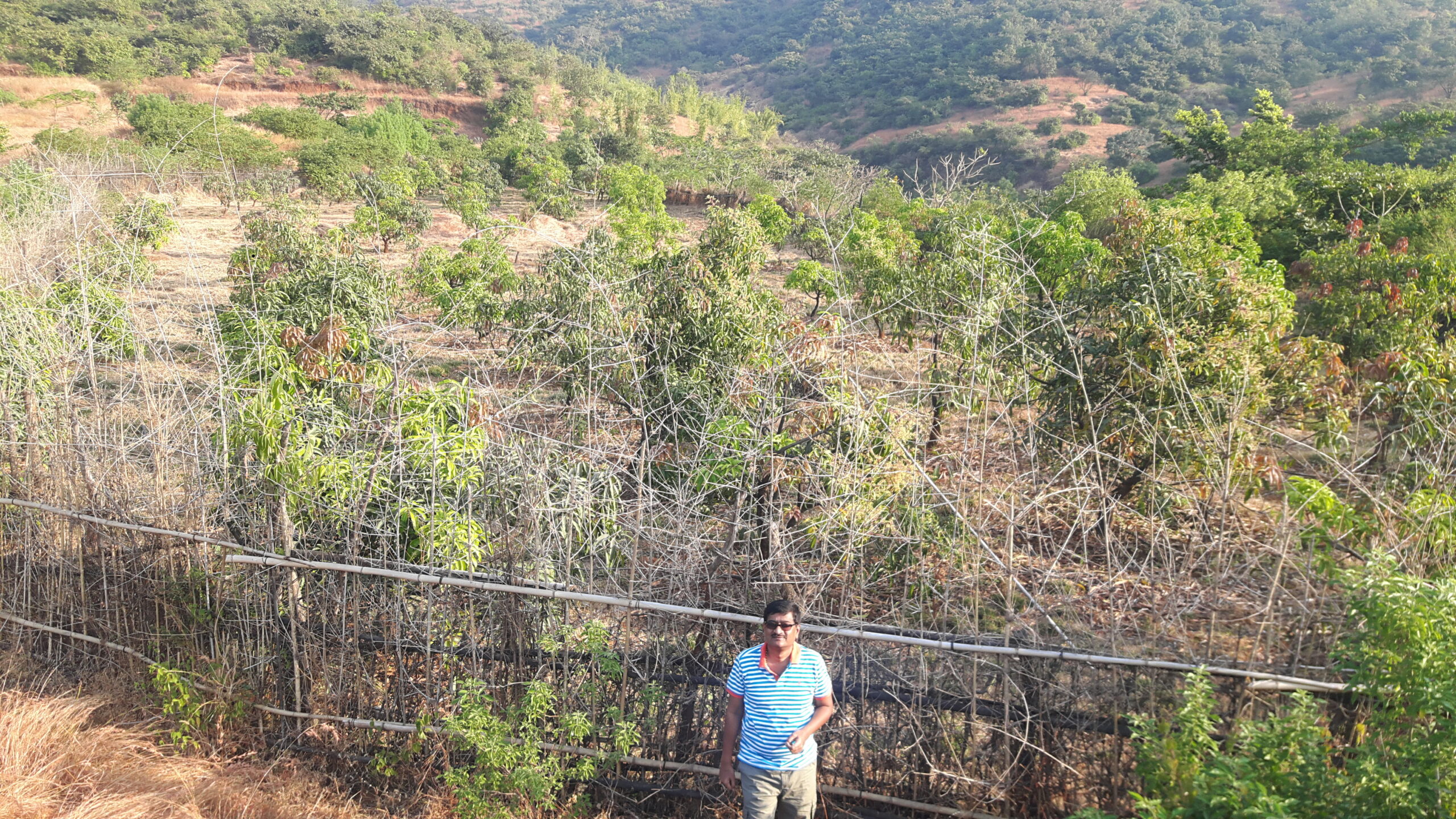
Native Planting
Native trees and bamboo planted.
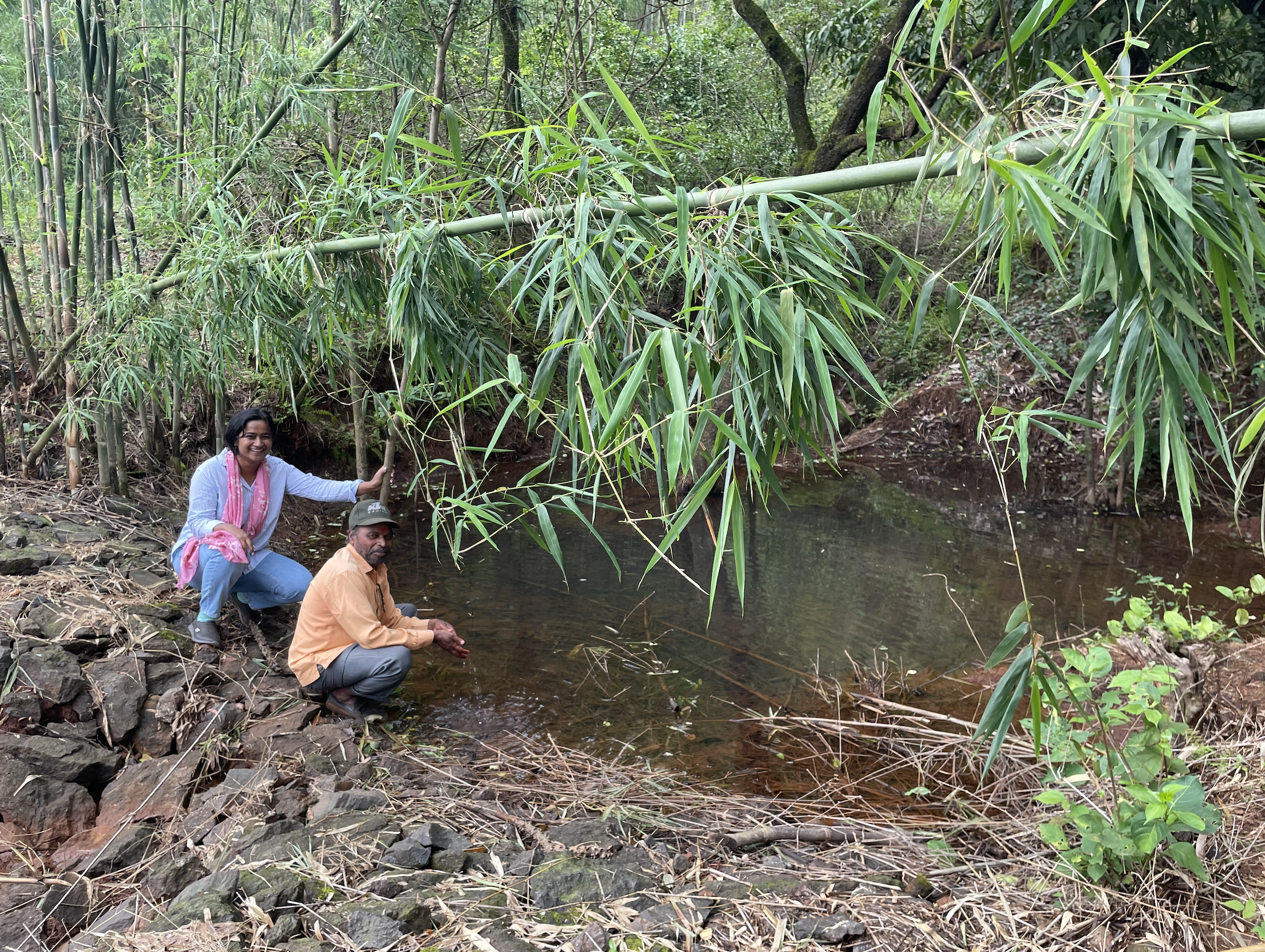
Watershed Restoration
Bunds and contour trenches built to slow water and recharge streams.
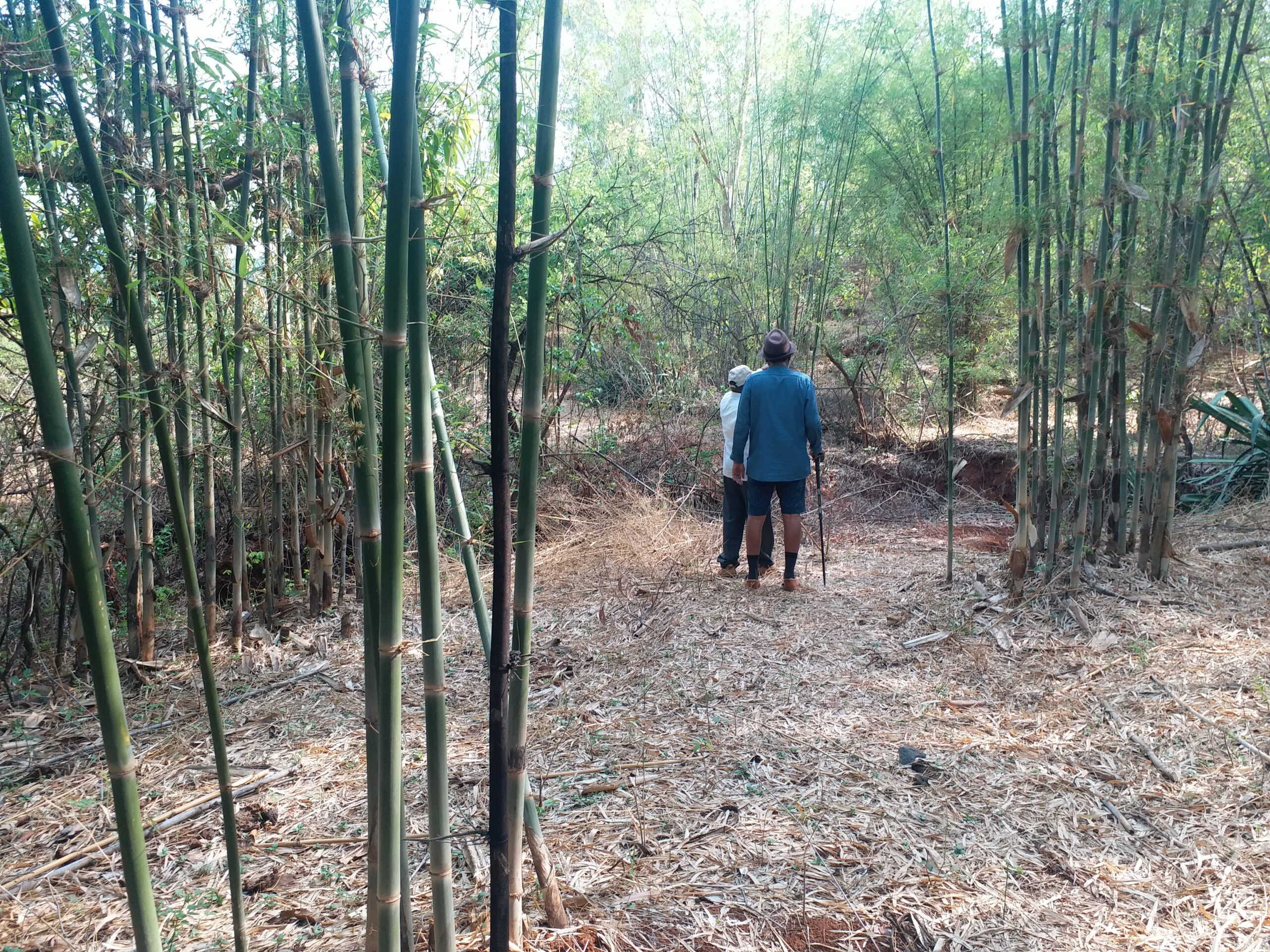
Bamboo Matures
Groves establish, binding the soil and deepening the shade.
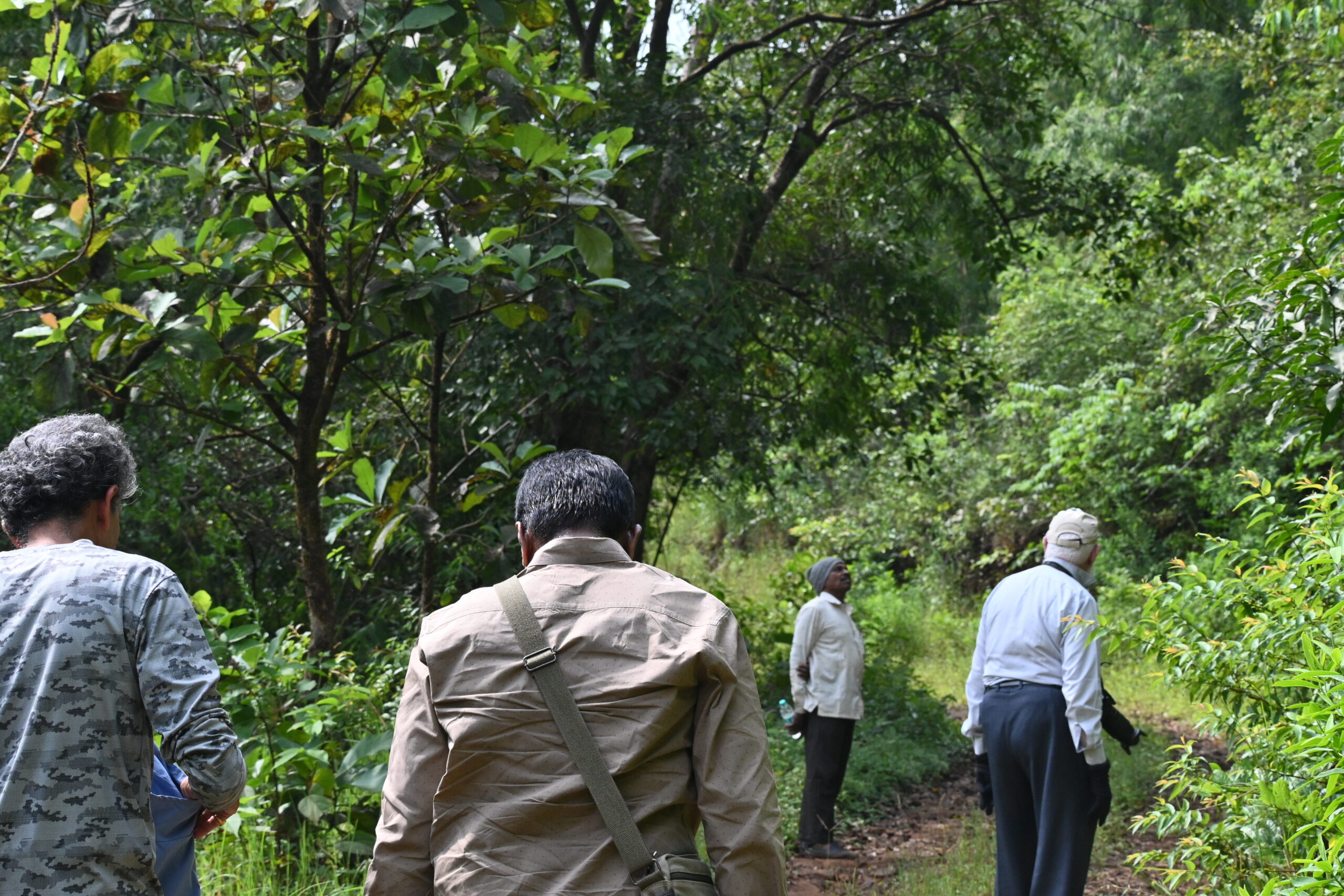
Trails Emerge
Paths open naturally as the forest returns and biodiversity thrives.
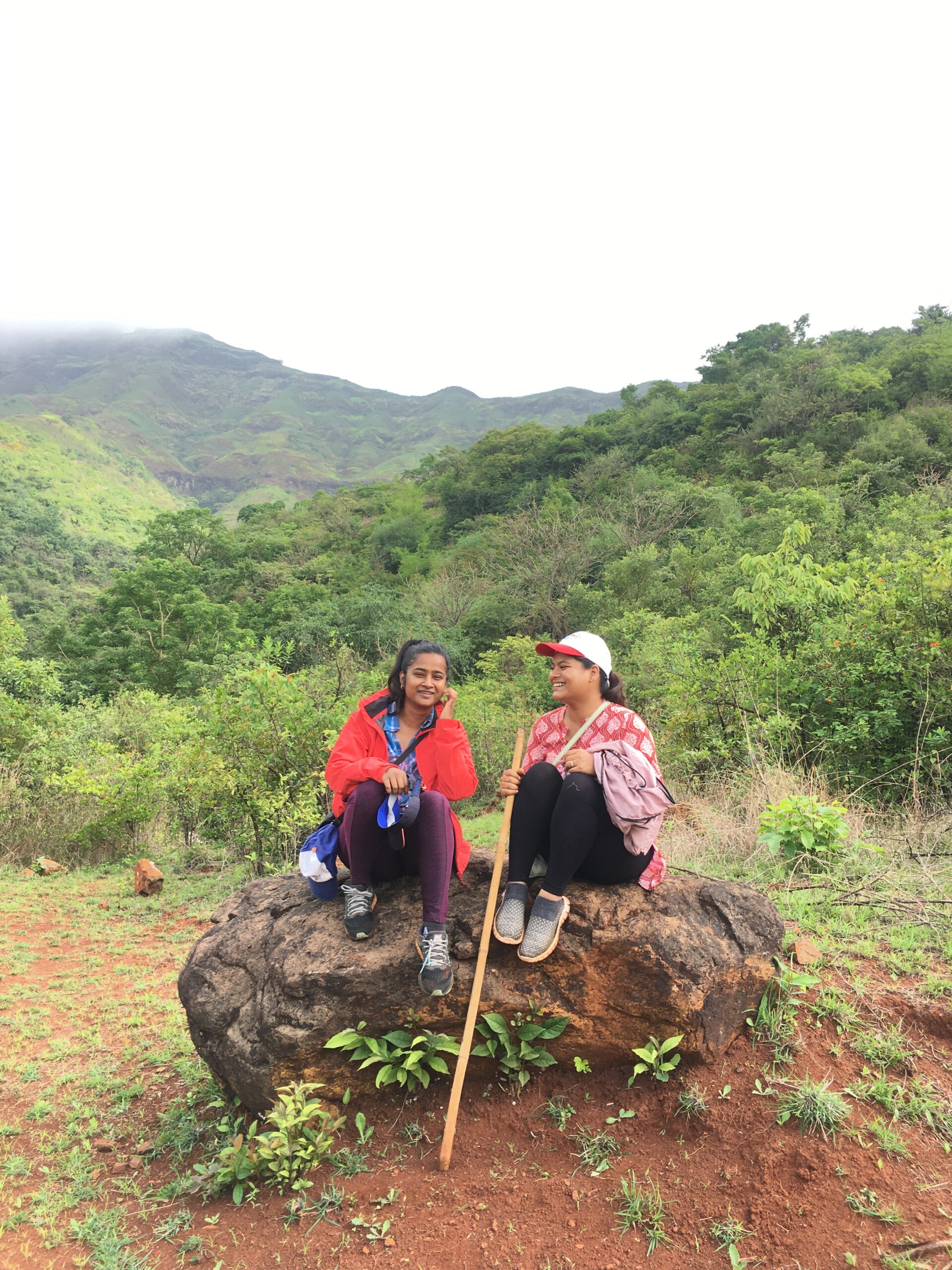
Ongoing
First Season Opens
We begin sharing this living landscape through small, guided experiences.
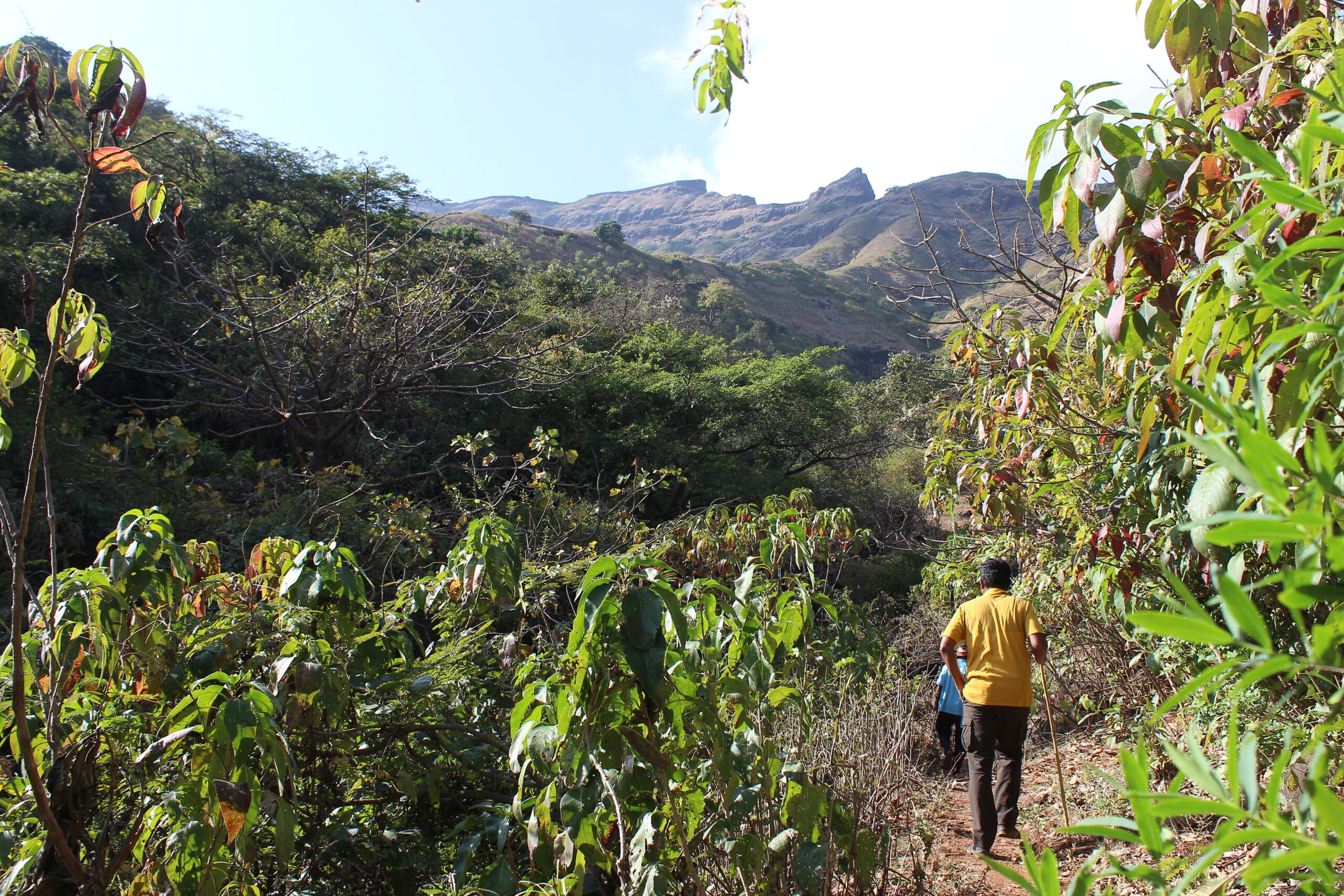
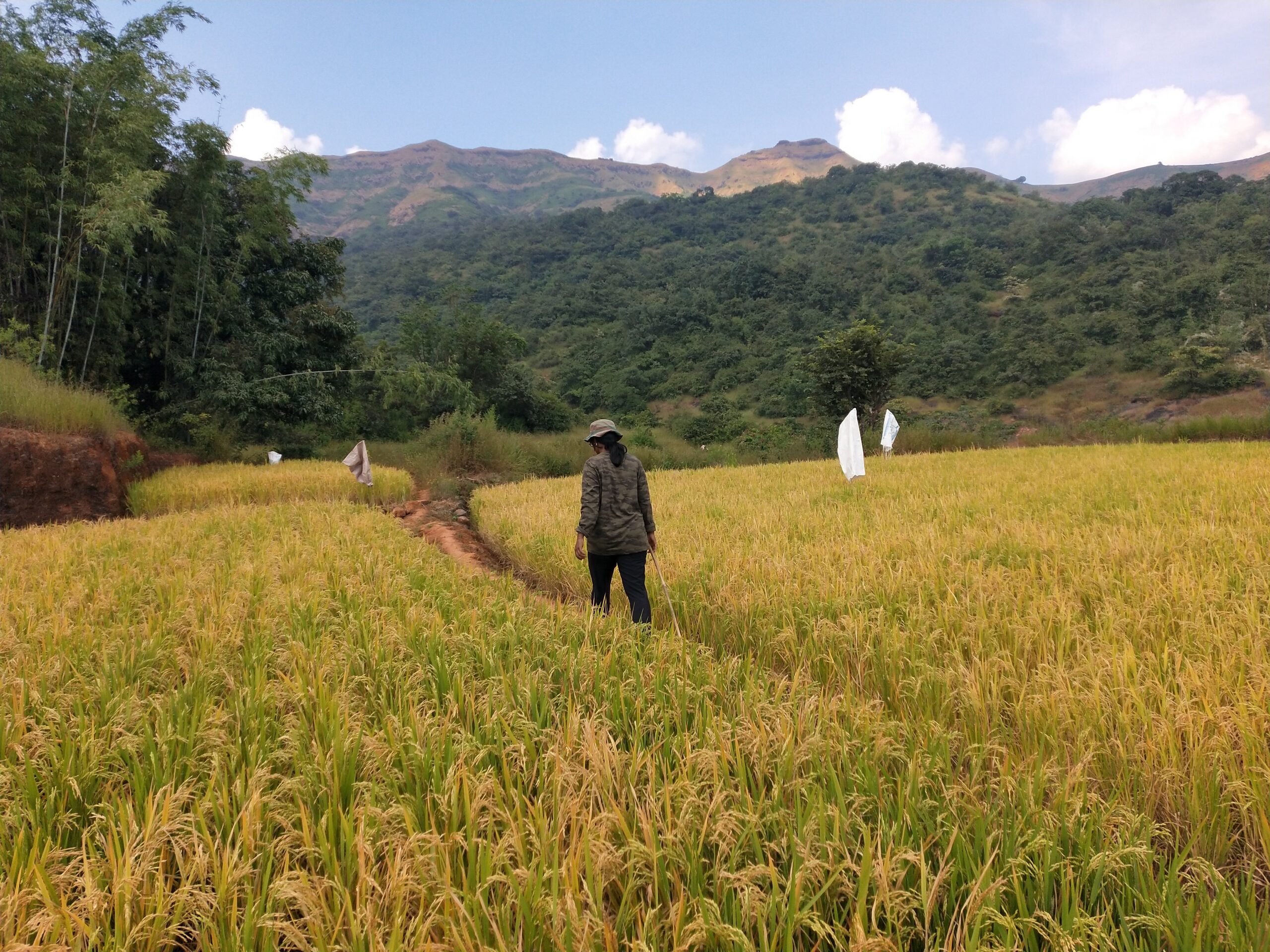
Our Homestead valley, with UNESCO World Heritage Site Rajgad fort and Torna Fort on the ridge line above.
Our Approach to Conservation
Working with nature, not against it.

Native First
Local species that belong here, supporting the living ecosystem.

Water Wise
Slow it, sink it, store it.
Soil First
Bamboo and roots hold soil, build fertility and prevent erosion.
Biodiversity Led
More trees, more insects, more birds, more life.
Grasslands Protected
Native grasslands conserved for wildlife and balance.
Minimal Intervention
We work lightly, allowing the land to heal in its own time.

Long Term Care
A commitment for generations to come.
← swipe →
Through the year
The forest changes with the seasons.
So does the walk.
Every walk follows the same trail, but no two days feel alike. Rain, light, flowering and birds quietly reshape the experience throughout the year.

July – September
Monsoon
The forest at its most alive. Streams flow, moss covers the stones, and every shade of green seems possible. The air is cool and the forest hums with life.
Best For
First-time visitors, rain lovers and photographers.
First mushrooms appeared beside the stream.

October – November
After the Rains
Everything slows. Wildflowers linger, butterflies are abundant and the valley opens to long, golden evenings. The forest feels calm after the monsoon’s intensity.
Best For
Gentle walks, birdwatching and clear mountain views.
Blue Mormon butterflies everywhere today.

December – February
Winter Light
Cool mornings. Warm afternoons. Birdsong carries through the valley, the light is crisp, and the forest feels spacious and quiet.
Best For
Forest therapy, sketching and slow observation.
The valley stayed quiet until the hornbills arrived.

March – May
Summer Forest
The forest becomes more open. Trees shed their leaves, flowers appear, fruit ripens and wildlife gathers around water.
Best For
Natural history, tree lovers and understanding the forest’s rhythms.
The Ain trees have begun to shed.

June
Waiting for Rain
The forest holds its breath. The air grows heavy, distant thunder rolls across the valley and the first scent of rain rises from the dry earth.
Best For
Returning visitors who enjoy the changing seasons.
The smell of dry earth changed this afternoon.
Your Guide
Priyanka Dapodikar
Architect · Forest Steward
Priyanka grew up returning to these hills, where her family has quietly cared for and regenerated the forest for over two decades. Much of her work begins with walking, observing and learning from the landscape through the changing seasons.
An architect by training, she works across conservation, natural materials and ecological design. She founded Bamboo Ugam, a design atelier exploring bamboo through furniture, craft and research, all rooted at Zunjarmachi Homestead.
Alongside her architectural practice, she guides slow, immersive experiences in the forest, drawing from forest therapy principles, natural history and years of personal familiarity with this landscape. Each walk is an invitation to notice rather than to be taught.
“The forest doesn’t need interpreting.
It only asks for your attention.”
What guides my walks
- Respect for all living beings
- Curiosity over knowledge
- Slowness over schedules
- Silence over noise
- Wonder over hurry
- Gratitude, always
Hosted by Priyanka
Every walk at Zunjarmachi is personally hosted by Priyanka.
Digital Detox
We step into the forest together. Phones rest in the phone box for the duration.
Field Journals
Each guest receives a journal to observe, reflect and collect memories.
Tea & Terrace
We begin and end together over tea, stories and stunning views.
Leave No Trace
We walk lightly and leave only footprints, take only memories.
Forest therapy is not only rooted in personal practice. It is also one of the most extensively studied nature-based wellbeing practices in the world.
The Science of Forest Therapy
Why this works.
The experience of slowing down in nature is deeply personal. The physiological effects, however, have been studied for decades.
NK Cells
↑ 56%
Natural Killer Cell Activity
Immune cells became more active after three days in the forest. The effect remained measurable for up to one month after returning to the city.
Li, Q. et al. (2008). A forest bathing trip increases human natural killer activity and expression of anti-cancer proteins. International Journal of Immunopathology and Pharmacology.
Cortisol
↓ Stress
Lower Stress Markers
Observed after a single slow forest walk. Blood pressure and heart rate followed the same pattern, compared with equivalent walks in urban settings.
Park, B. J. et al. (2010). The physiological effects of Shinrin-yoku (taking in the forest atmosphere). Environmental Health and Preventive Medicine.
Phytoncides
∞
Natural Forest Chemistry
Aromatic compounds released by trees to communicate and protect themselves. Most abundant after rain and on warm mornings.
Li, Q. (2018). Forest Bathing: How Trees Can Help You Find Health and Happiness. A widely cited synthesis of the research on forest therapy and phytoncides.
Heart Rate
↓ 4–6 bpm
Slower Resting Heart Rate
Walking slowly through forests has repeatedly been associated with lower heart rates compared with walking in urban settings.
Park, B. J. et al. (2010). The physiological effects of Shinrin-yoku (taking in the forest atmosphere). Environmental Health and Preventive Medicine.
The forest therapy experience at Zunjarmachi complements wellbeing but is not intended to diagnose, treat or replace medical care. Individual experiences vary.
Impressions
Words from this season, soon.
We will share the words of those who walk the forest with us, once this season has passed.
Planning Your Visit
Your Visit
A few practical details before your day in the forest.
Duration
6–7 hours, 10.00 am onwards
Group Size
Maximum 15 guests
booking
Advance booking required
Price
₹3,360 per guest
Included
Forest therapy · Light Breakfast · Long Table Lunch · Tea in the Forest · Discover the Homestead
Bring
Walking shoes · Rain jacket
The walk takes place outdoors in light rain.
Only severe weather changes the day.
This Season
The Forest Awaits
For a handful of days each monsoon, we open the gates of Zunjarmachi Homestead and welcome a small number of guests into the forest.
MONSOON 2026 bookings are now open.
Finding Us
Finding your way.
Rajgad–Torna Valley, Near Velhe
Pune District, Maharashtra, India
Between one and a half to two hours from Pune by road. We share precise directions once a place is confirmed.
Know More
FAQs
If you have a question that isn’t answered below, we’d be happy to help. info@zunjarmachieco.com
Because forests are better listened to than crowded.
Small groups allow space for quiet conversation and careful observation. They also leave a lighter footprint on the land.
Forest Days are suitable for children aged 12 years and above, accompanied by a parent or guardian.
The experience is designed around slow walking, quiet observation and spending time in nature. Children are welcome if they’re comfortable engaging with the day at this pace.
Your phone enjoys a quiet day too.
We invite guests to leave it safely in a phone box before the walk begins. You’ll have plenty of time to take photographs before and after the experience.
How far is it and how do we get there?
We’re approximately 2 hours from Pune, near Velhe in the Rajgad-Torna Valley.
Detailed directions are shared once your booking is confirmed. For groups of four or more, we can help arrange transport from Pune at an additional cost.
Yes. Lunch is vegetarian, prepared with seasonal ingredients and inspired by what’s available locally. Fresh eggs from the homestead may occasionally be included.
Please let us know about any dietary requirements or allergies when booking.
What happens if I need to cancel?
As each Forest Day is prepared in advance for a small group, bookings are non-refundable.
If you’re unable to attend, please let us know as soon as possible. If we’re able to accommodate another date, we’ll always do our best to help.
What if the weather has other plans?
The forest welcomes the rain, and so do we.
Only when conditions become unsafe – such as severe storms or exceptionally heavy monsoon rainfall- will we postpone the day and invite you back on another available date.
Stay in Touch
Follow the forest.
Ask a question.
© 2026 Zunjarmachi Homestead